ABOUT US
Education and support for people doing demanding, relational work.
At the heart of Taking Good Care is a simple recognition: many brilliant, creative and deeply empathetic people are drawn to care work, yet high numbers experience chronic stress, secondary traumatic stress, moral injury and other workplace harms.
We believe that care work can be nourishing and generative, even in complex and demanding settings. Our purpose is to shift the conditions that erode wellbeing and capacity, while supporting healthier, more sustainable ways of working and relating.
Informed by lived experience and evidence-informed practice, we support practitioners, teams and organisations to build and embody more human and connected ways of working.
HOW WE UNDERSTAND CARE
“...a species activity that includes everything that we do to maintain, continue, and repair our world so that we can live in it as well as possible.”
BERENICE FISHER AND JOAN TRONTO
We anchor our understanding of care in Fisher and Tronto’s broad and encompassing definition of “everything that we do to maintain, continue and repair our world.”
This generous definition allows inclusion of a diverse range of “helping” professions, callings, and responsibilities, where there is a significant component of caring about, care-giving, and caring with.
Our work brings together lived experience, evidence, trauma-informed practice, somatic approaches and systems thinking.
We understand the effects of demanding work as both embodied and relational, shaped by personal experiences and the wider conditions in which people work. Our approach connects these dimensions, bringing together different forms of knowledge and practice to support meaningful, lasting change.
We recognise lived experience as an important source of knowledge. The experiences of people receiving care and support, as well as those of practitioners working within complex systems, offer insights that professional frameworks and research alone cannot provide.
Lived experience informs how we understand relational work, develop learning and create opportunities for reflection.
Our work draws on research and established frameworks relating to trauma, stress, emotional labour, nervous system functioning, reflective practice and worker wellbeing.
We translate this knowledge into accessible, practical approaches for everyday work. We remain attentive to the strengths and limitations of the evidence, bringing research into conversation with professional and experiential knowledge.
We draw on trauma-informed principles to understand how experiences of trauma can affect safety, trust, relationships and engagement. This informs how we approach learning, facilitation and organisational work, with attention to choice, collaboration, empowerment and the conditions that support psychological and relational safety.
We understand that individual wellbeing is shaped by the conditions in which people live and work. Workload, leadership, organisational culture, relationships, resources and power all influence how people experience their roles and their capacity to sustain them.
Our approach connects individual and embodied experiences with these wider conditions, recognising that sustainable care requires attention to both.
We recognise that the effects of demanding work are experienced through the body as well as through our thoughts, emotions and relationships.
Our work incorporates somatic approaches, mindfulness, interoceptive awareness and body-based practices to help people recognise their responses, understand stress and develop practical ways to regulate, recover and reconnect with themselves.
HOW WE WORK
Our commitments
Strengths-based
We acknowledge the existing strengths and capabilities of individuals, teams and organisations, recognising the skill, care and resourcefulness that relational work requires.
Anti-oppressive
We attend to how racism, ableism, classism and other forms of oppression shape care systems, and how those systems are experienced by workers and the people they support.
Feminist and gender-affirming
We hold a feminist, trans-inclusive and gender-affirming lens, naming gendered power dynamics in care systems and resisting exclusionary or punitive frameworks.
The practitioner is part of the practice
We make space for practitioners to turn the same curiosity, compassion and attention they bring to others towards themselves.
These commitments thread through all of our work:
who we are
Meet our team

JO BUICK, M.ed, M.Teach
Founder & DirectorOver the past 17 years, Jo (she/her) has worked across policy and practice in education, housing, out-of-home care, women’s economic empowerment and refugee rights as a strategist, manager, consultant and facilitator.
Holding Masters degrees in both Teaching and Education, Jo is especially dedicated to the transformative role that research and learning play in wellbeing, justice and care.
Extensively trained in trauma-informed, somatic and mindfulness approaches to wellbeing, in 2017 Jo founded Collective Being, a community organisation based on Kulin Country. Through this work, Jo became aware of significant patterns of attrition, burnout and vicarious trauma across the caring professions.
Taking Good Care is a direct response to these learnings, and it brings Jo great joy to continue connecting with and working alongside care and relational workers in this new way.
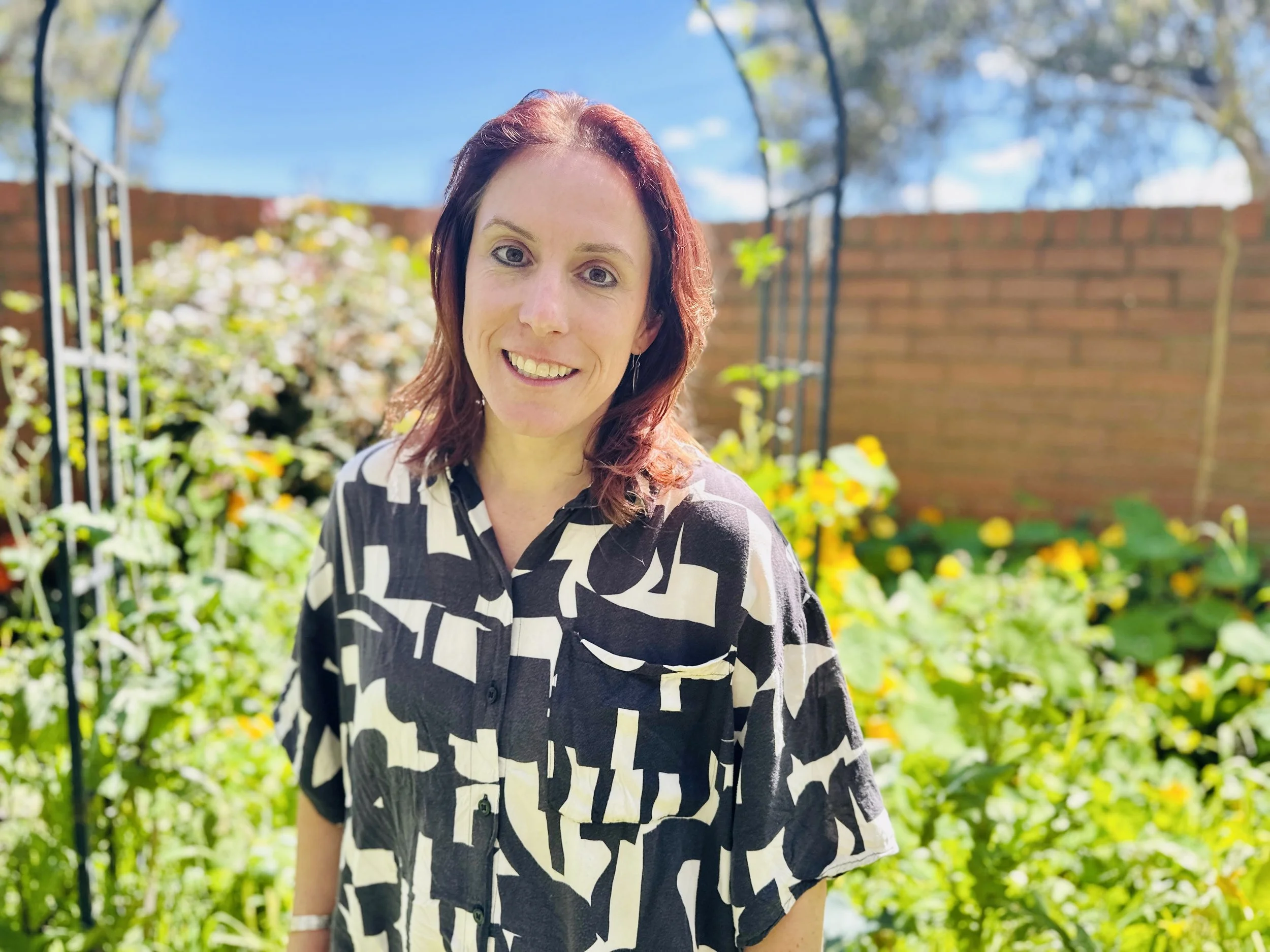
CARLA NAYTON, M.Sw
Reflective Practice LeadFor more than 15 years, Carla (she/her) has worked across community services as a front line practitioner, manager, researcher, consultant, and facilitator. She is a qualified social worker (Master of Social Work and Anthropology Hons) and currently works in private practice on Wurundjeri land.
Carla is experienced in delivering reflective practice across the care professions. She believes that reflective practice is a vital component of best practice, and of preventing burnout and overwhelm. She is passionate about psychologically safe, trauma-informed work environments for those in the caring professions.
At Taking Good Care, Carla runs reflective practice programs that help individuals and teams embed learning into practice, supporting the wellbeing of those who care for others.
What would taking good care look like in your organisation?